Custom Impact Insoles in Abu Dhabi for Shock Absorption
Every step you take sends force through your feet, up through your knees, and into your lower back. For most people, this goes unnoticed, but for runners, athletes, and anyone who spends long hours on their feet, that repeated impact adds up over time. At LifeBalance Foot Care, we work with Abu Dhabi residents who are looking for a way to reduce that impact before it turns into pain or a long-term joint issue, and custom impact insoles are one of the most effective tools available for exactly that purpose.
This guide explains what custom impact insoles actually do, who benefits most from them, and where in Abu Dhabi you can be properly fitted for a pair suited to your feet and your activity level.
What Makes an Insole an Impact Insole
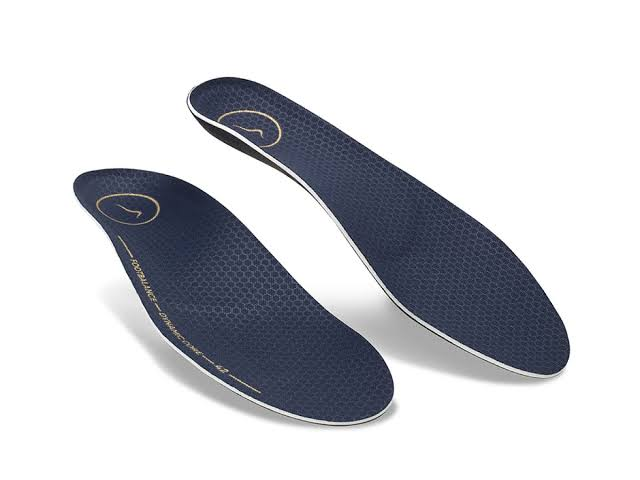
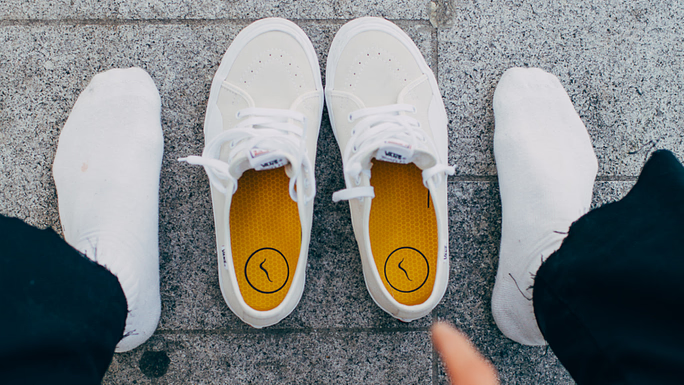
Not all insoles serve the same purpose. Some are designed for arch support, others for correcting foot alignment, and impact insoles are specifically engineered to absorb and disperse the shock generated with every stride. This distinction matters because a generic cushioned insole from a shoe store shelf is built to fit a wide range of feet in a general way, while a custom impact insole is built around the specific shape, pressure points, and movement pattern of your own foot.
The core function of an impact insole comes down to how it manages force. Instead of that force traveling straight up through the joints, a properly designed impact insole spreads it across a wider area and absorbs a portion of it directly at the point of contact. Over the course of a run, a workday on your feet, or a long day of walking through the city, this difference becomes noticeable in how your feet, knees, and lower back feel by the end of the day.
Who Actually Needs High Impact Shoe Inserts
People often assume impact insoles are only for serious athletes, but the reality is broader than that. In our experience fitting patients across Abu Dhabi, the people who benefit most from high-impact shoe inserts typically fall into a few categories.
- Runners and athletes training regularly on hard surfaces
- Individuals working long shifts that involve standing or walking for most of the day
- People recovering from joint-related injuries who need extra shock control during activity
- Anyone experiencing recurring heel, knee, or lower back discomfort tied to daily movement
- Older adults looking to reduce joint strain during regular walking or exercise
If you fall into any of these groups, sports cushioning insoles are worth considering even if you have not yet experienced pain, since prevention is generally more effective and less costly than addressing joint damage after it develops.
How Custom Impact Insoles Differ From Off-the-Shelf Options
The process behind a custom insole is what separates it from anything you can pick up at a general retail store. A proper fitting typically follows this sequence.
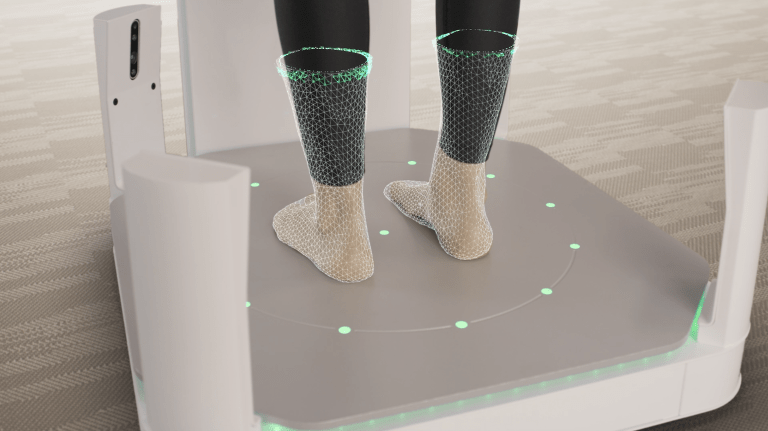
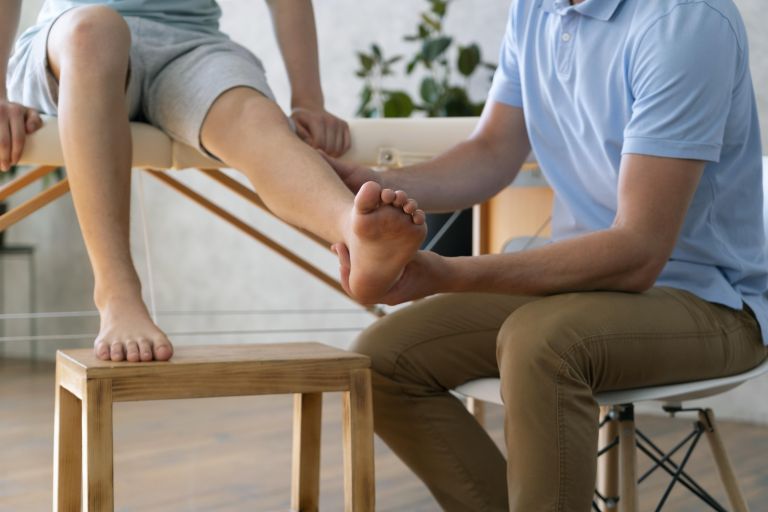
- A gait and pressure assessment to identify how weight is distributed across your foot during movement
- Measurement of your specific foot shape, including arch height and any structural irregularities
- Selection of cushioning materials based on your activity level and body weight
- Custom molding of the insole to match your foot precisely rather than a general size range
- A fitting session to confirm comfort and proper shock distribution before regular use
This level of customization means the insole is doing meaningful work for your specific foot mechanics, rather than offering generic cushioning that may or may not align with where you actually need support. Our custom impact insoles are built around this exact process for patients across Abu Dhabi.
Joint Protection Goes Beyond the Feet
It is easy to think of insoles as something that only affects your feet, but the impact they absorb has a direct relationship to what happens further up the body. Poorly cushioned or unsupportive footwear forces the knees, hips, and lower back to compensate for shock that should have been absorbed at ground level. Over months or years, this compensation pattern contributes to joint strain that many people do not connect back to their footwear at all.
Joint protection insoles are particularly relevant for anyone already managing conditions such as knee pain or lower back discomfort tied to repetitive movement. Reducing the force traveling upward through the body does not eliminate every source of joint stress, but it removes one significant contributing factor that is often overlooked. If joint discomfort during activity is a recurring issue for you, it is worth reviewing our resource on knee pain to understand how footwear and insole choices connect to what you are experiencing.
This connection between foot mechanics and upper body strain is something we see regularly across patients of different ages and activity levels. A person who runs recreationally three times a week and a person who spends eight hours a day on a factory floor are dealing with very different circumstances, but the underlying principle is the same. Every unabsorbed impact travels somewhere, and over time the body finds a way to compensate, usually at the expense of the knees or lower back.
Common Conditions That Improve With Proper Impact Support
Several specific foot and lower body conditions tend to respond well to properly fitted impact insoles, particularly when the underlying issue is related to repeated stress rather than an acute injury. These include plantar fasciitis, heel spurs, general heel pain from prolonged standing or walking, and shin splints that develop from repetitive impact during running or high-activity sports.
In each of these cases, the goal of the insole is not to mask discomfort but to reduce the mechanical stress that is contributing to it in the first place. This is why a proper assessment matters more than simply choosing a cushioned insole based on appearance or price alone. Browsing our full range of insoles can also help you understand how impact insoles fit alongside other insole types designed for arch support or alignment correction, since some patients benefit from a combination approach depending on their specific foot mechanics.
It is also worth noting that impact-related discomfort does not always show up where the actual mechanical issue originates. A person dealing with shin splints, for example, may actually have an underlying pronation issue that is placing extra strain on the lower leg with every stride. This is one of the reasons a proper gait assessment matters so much before selecting cushioning materials, since addressing the wrong part of the mechanical chain can leave the real source of discomfort unresolved even if the insole itself is well made.
Finding Custom Impact Insoles in Abu Dhabi
Custom impact insoles need to be fitted in person, since the entire value of the product depends on how accurately it matches your specific foot and movement pattern. This is not something that can be replicated through an online purchase alone. Our team is set up across multiple locations in Abu Dhabi where we can properly assess your feet, walk you through the fitting process, and get you set up with insoles built specifically for your activity level and any existing joint concerns.
Visiting one of our locations also gives you the opportunity to ask questions directly about which type of insole makes the most sense for your specific situation, whether that is general daily support or something built specifically for high-impact training.
Getting Started
If recurring foot, knee, or lower back discomfort has been affecting your daily activity or training, custom impact insoles may be worth exploring as a practical, targeted solution rather than continuing to manage the discomfort as it comes. Find your nearest LifeBalance location in Abu Dhabi to schedule a proper fitting with our team.
Frequently Asked Questions
1. How long does a custom impact insole fitting take?
A typical fitting session, including the gait assessment and molding process, generally takes between thirty and forty-five minutes depending on the clinic and the complexity of your specific needs.
2. Can custom impact insoles be used in any type of shoe?
Custom impact insoles are typically designed to fit within athletic or supportive footwear. During your fitting, our team will confirm compatibility with the specific shoes you plan to use them in most often.
3. How often do custom impact insoles need to be replaced?
Most custom impact insoles last between twelve and eighteen months with regular use, though this varies based on activity level and the type of cushioning material selected during your fitting.
4. Are impact insoles only useful for people who exercise regularly?
No. While athletes benefit significantly, people who stand or walk for long periods during work, as well as those managing joint discomfort in daily life, often see meaningful improvement from properly fitted impact insoles.
5. Do I need a doctor referral to get fitted for custom impact insoles?
A referral is not typically required. You can visit one of our partner clinics directly for an assessment, though if you have a specific medical condition, discussing it with your doctor beforehand can help guide the fitting process.