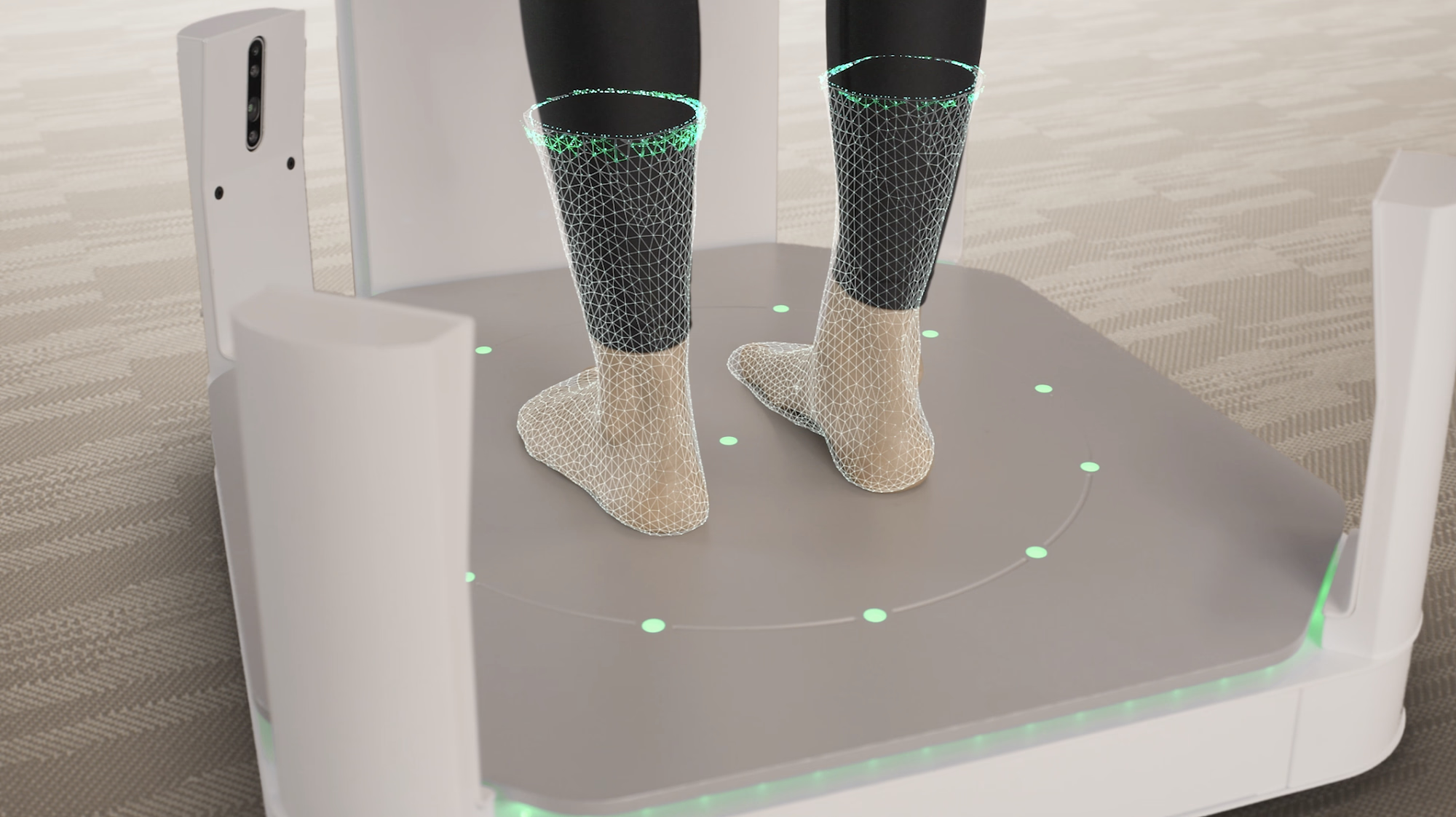
How 3D Foot Scanning Creates Your Perfect Custom Insole
Your feet carry you through every step of your day, yet most people are still wearing insoles that were never actually made for their feet. A generic insole is built around an average foot shape, not yours. That gap between what a standard insole offers and what your foot actually needs is exactly why 3D foot scanning insoles exist, and why more people are turning to them for lasting comfort and support.
At LifeBalance Foot Care, we use 3D foot scanning technology to design insoles around the true shape, pressure pattern, and movement of your individual feet. This blog walks you through how the process works, why it matters, and how you can get started with a scan of your own.
Why Standard Insoles Fall Short
Off-the-shelf insoles are manufactured in a handful of general sizes and shapes. They assume every foot in that size range has the same arch height, the same pressure distribution, and the same gait pattern. In reality, no two feet are identical, not even the left and right foot on the same person.
This mismatch is often the hidden reason behind ongoing discomfort in the feet, knees, and lower back. A standard insole might feel fine for a short walk, but over hours of standing, walking, or running, the lack of proper support can contribute to issues such as plantar fasciitis, heel pain, and overpronation. Custom insoles built from a digital foot map are designed to close that gap by matching support to the exact contours of your foot.
What Is 3D Foot Scanning
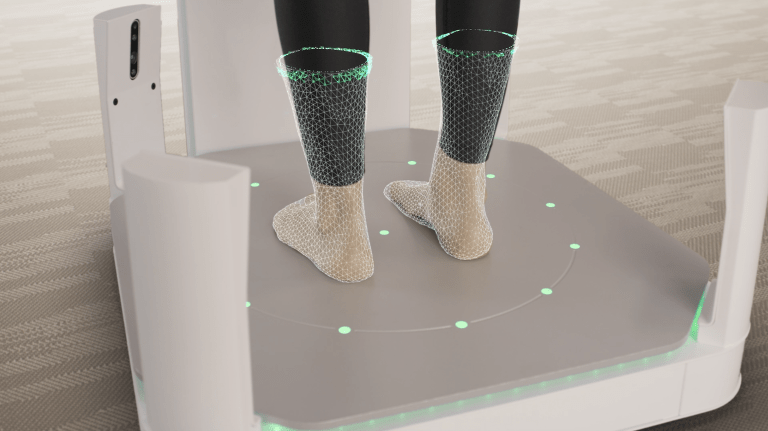
3D foot scanning is a digital foot mapping process that captures a highly detailed, three dimensional model of your foot. Instead of relying on a tracing, a foam impression, or a guess based on shoe size, the scan records precise measurements of arch height, foot length, foot width, and the overall shape of the sole.
This digital foot mapping process removes the guesswork from insole creation. Every curve and contour of your foot is captured with accuracy, which means the insole built from that data reflects your actual foot structure rather than an approximation of it.
The Role of Pressure Mapping Technology
Shape alone does not tell the full story of how your foot functions. That is where pressure mapping technology comes in. As you stand or walk across the scanning platform, sensors record how weight is distributed across different areas of your foot with every step.
This pressure data reveals patterns that are not visible to the eye, such as areas carrying excess load, uneven weight distribution between the left and right foot, or timing issues in how pressure shifts from heel to toe during a stride. These patterns are often connected to common conditions such as bunions, hammer toe, shin splints, and Achilles tendonitis. By identifying exactly where pressure builds up, the resulting insole can be built to redistribute that load and support the areas that need it most.
How Custom Insoles Are Made From Your Scan
Understanding how custom insoles are made helps explain why they perform so differently from a generic pair. The process generally follows these stages.
The scan captures your foot shape and pressure pattern using 3D foot scanning and pressure mapping technology together. This gives a complete picture of both the structure and the function of your foot.
The data is then analyzed to identify arch type, pressure hot spots, and any imbalances between the two feet. This analysis forms the foundation for the design of the insole.
An insole design is created digitally, shaping the contours, cushioning zones, and support structures around the specific data collected from your feet. Rather than starting from a generic mold, the design begins from your own foot map.
The insole is manufactured using materials suited to your activity level, whether that is daily wear, sports, or standing for long hours at work. Density and support are adjusted based on your pressure data, not a standard template.
The finished insole is fitted and checked against your footwear to confirm proper alignment, comfort, and support before you start wearing it regularly.
Because each stage is guided by your own foot data, the final product is built to support the way your feet actually move, not the way an average foot is assumed to move.
Who Benefits From Custom Scanned Insoles
While anyone can benefit from a properly fitted insole, certain groups tend to see the most noticeable improvement.
People who spend long hours on their feet, such as retail staff, healthcare workers, and hospitality employees, often deal with fatigue and discomfort that a standard insole cannot resolve. Runners and athletes place repeated stress on their feet with every stride, making precise support important for both performance and injury prevention. Individuals managing conditions such as diabetic foot concerns, heel spurs, calluses, or Morton’s neuroma often need support tailored specifically to their condition rather than a generic cushion. People experiencing referred discomfort in the knees or lower back may also find that foot alignment plays a bigger role in that discomfort than expected.
If any of this sounds familiar, browsing our full range of foot conditions can help you understand which issues may be connected to your foot structure.
What to Expect During Your Scanning Appointment
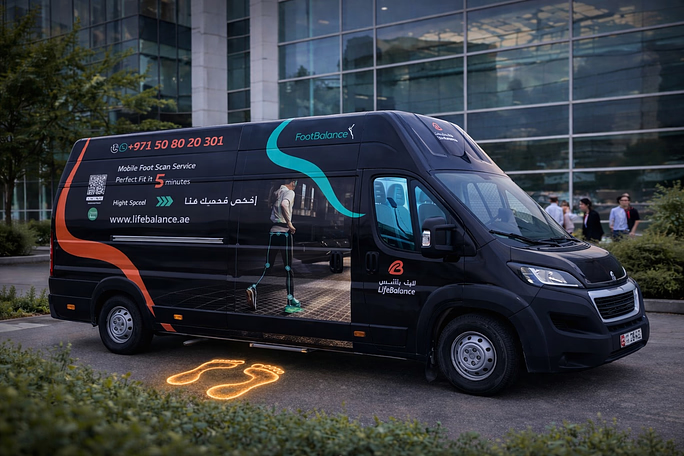
A 3D foot scanning appointment is quick and straightforward. You will stand and walk across a scanning platform while sensors capture the shape and pressure data of your feet. There is no discomfort involved, and the entire process typically takes just a few minutes.
Once your scan is complete, our team reviews the results with you, explains what the data shows about your foot structure and pressure distribution, and discusses which insole option is best suited to your lifestyle and needs. From there, your custom insole is manufactured based on your individual scan.
Choosing the Right Insole for Your Needs
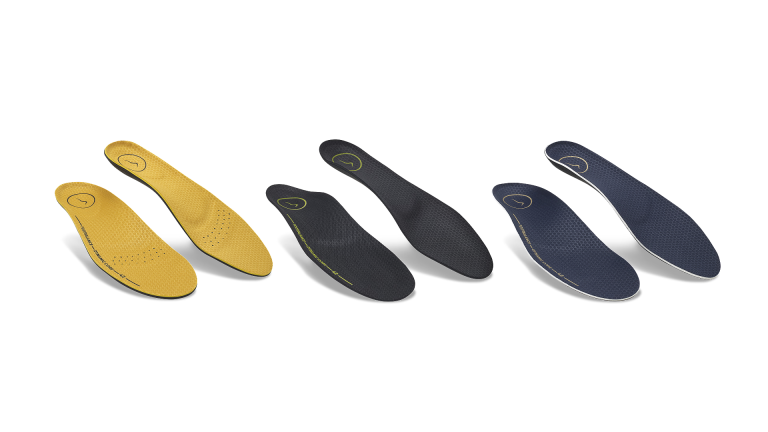
Once your scan is complete, you will have a range of custom insole options to choose from depending on your activity level and specific foot concerns. Whether you need support for daily comfort, added stability during sports, or targeted relief for a specific condition, the right insole is selected based on the data collected during your scan rather than trial and error.
You can explore our current range of insoles and related foot care products to see the options available once your scan results are ready.
Caring for Your Custom Insoles
Custom insoles are built to last, but a little regular care goes a long way. Wipe them down gently after use if they collect dust or moisture, allow them to air dry fully before placing them back in your shoes, and avoid direct heat sources such as radiators or direct sunlight for extended periods, as this can affect the shape and materials over time. Rotating them between suitable pairs of footwear also helps maintain their support over the long term.
Take the First Step Toward Better Foot Support
Your feet are unique, and the support you wear every day should reflect that. 3D foot scanning takes the guesswork out of insole selection by combining digital foot mapping with pressure mapping technology to build insoles designed specifically around your feet.
If you are ready to move away from generic insoles and toward a solution built for your own foot structure, visit our shop to explore our insole range or get in touch with our team to book your scanning appointment with LifeBalance Foot Care today.
Frequently Asked Questions
1. How long does a 3D foot scanning appointment take?
Most scanning appointments take just a few minutes to complete. The scan itself is quick, and our team will walk you through the results and insole options right after.
2. Is 3D foot scanning suitable for all age groups?
Yes, 3D foot scanning can be used for both adults and children, since it simply captures the shape and pressure pattern of the foot at the time of the scan.
3. Do I need a referral to book a foot scan?
No referral is required. You can book an appointment directly with LifeBalance Foot Care whenever it suits your schedule.
4. Can custom insoles help with conditions like plantar fasciitis or heel pain?
Custom insoles are designed to address the pressure patterns and support gaps that often contribute to conditions such as plantar fasciitis and heel pain, since the support is built around your specific foot data.
5. How often should custom insoles be replaced?
This depends on how frequently they are worn and the activities they are used for. Our team can advise on replacement timing based on your usage during your fitting or a follow up visit.