How to Prevent Ankle Injuries During Sports (Expert Guide)
Ankle Injuries are one of the most common problems experienced by athletes across many sports. Ankle Injuries frequently occur in activities that involve jumping, sudden direction changes, and rapid acceleration. Basketball players, runners, CrossFit athletes, and padel players often face the risk of Ankle Injuries during training and competition. Many athletes experience repeated Ankle Injuries because the ankle joint carries significant stress during high intensity movement. Preventing Ankle Injuries requires understanding the causes, strengthening the surrounding muscles, and using proper support during activity. Athletes who learn how Ankle Injuries occur can take practical steps to reduce the likelihood of sprains and improve long term ankle stability.
The ankle is a complex joint that supports body weight while allowing movement in multiple directions. Because of this flexibility, the joint can also become vulnerable during sports that require sudden stops, pivots, or jumps.
Athletes who want to learn more about sports foot care products and support equipment can explore the official website of LifeBalance Foot Care.
Why Ankle Injuries Are Common in Sports
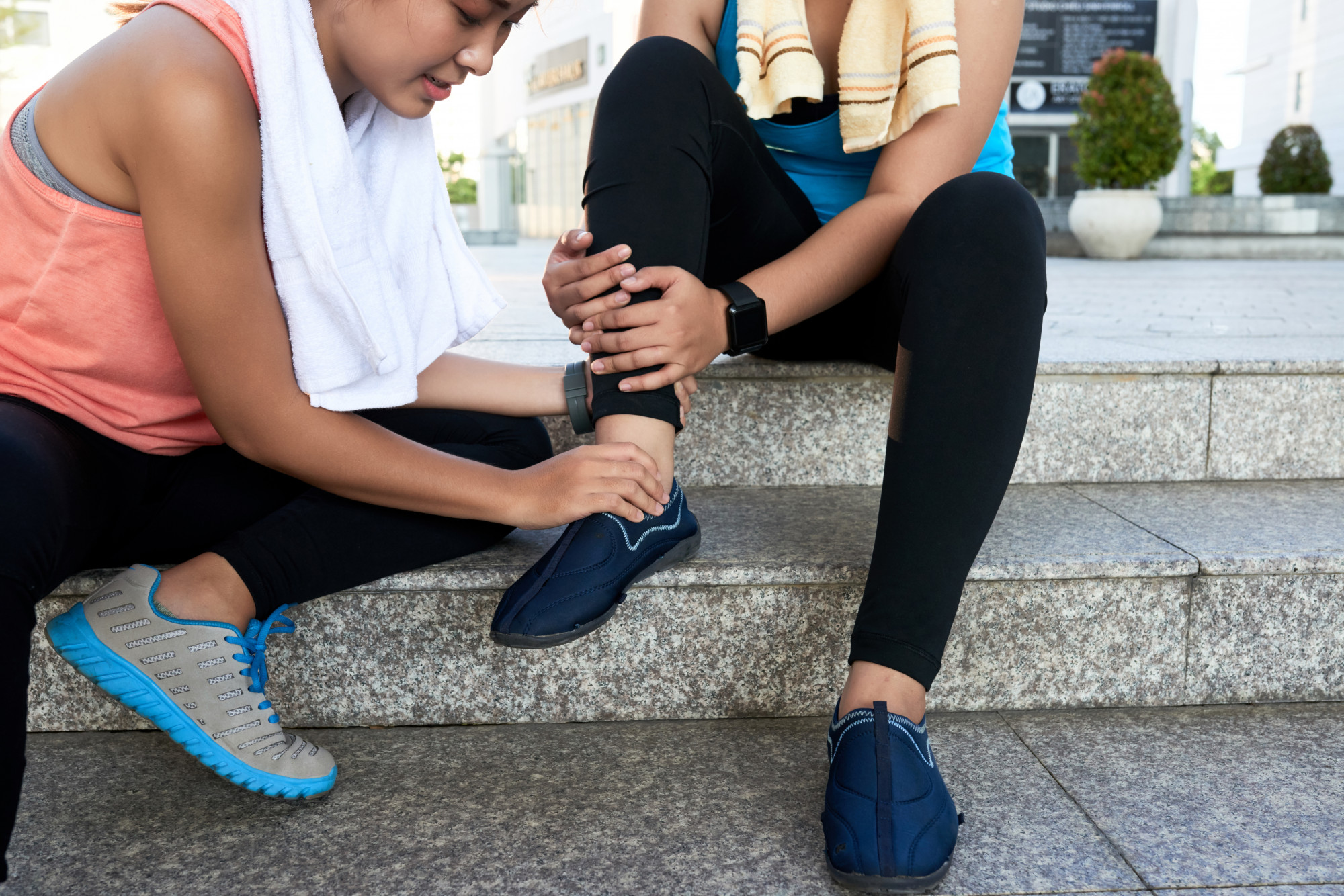
Ankle injuries often occur when the foot rolls inward or outward unexpectedly. This movement places stress on the ligaments that stabilize the ankle joint.
Sports that involve jumping, cutting, and quick direction changes increase the risk of ankle sprains. Basketball, padel, and CrossFit are examples of activities where these movements are frequent.
Common factors that contribute to ankle injuries include:
- Landing awkwardly after a jump
- Sudden changes in direction
- Running on uneven surfaces
- Weak ankle stabilizing muscles
- Previous ankle sprains that weakened the joint
Understanding these risk factors is the first step in preventing injuries.
Types of Ankle Injuries in Athletes
Ankle injuries can vary in severity depending on the amount of stress placed on the ligaments and surrounding structures.
Ankle Sprains
An ankle sprain occurs when the ligaments around the joint stretch or tear. This is the most common ankle injury in sports.
Ligament Instability
Repeated sprains may weaken the ligaments and lead to chronic instability in the ankle joint.
Tendon Strain
Tendons around the ankle may also become strained due to overuse or sudden movements.
Stress Related Injuries
High impact sports can place repeated stress on the ankle, which may lead to pain and reduced mobility over time.
Recognizing these injuries early can help athletes manage recovery and prevent further damage.
Sports With Higher Ankle Injury Risk
Some sports naturally place more stress on the ankle joint than others.
Basketball
Basketball involves frequent jumping and landing, which increases the likelihood of ankle sprains. Many athletes search for the best ankle brace for basketball to improve joint stability.
Padel
Padel requires quick lateral movements and sudden stops. These movements can place strain on ankle ligaments if proper support is not used.
Running
Runners may experience ankle injuries when running on uneven surfaces or when fatigue affects foot placement.
CrossFit
CrossFit workouts often include dynamic movements such as box jumps, sprints, and weightlifting exercises that challenge ankle stability.
Athletes in these sports often benefit from additional ankle support during activity.
The Importance of Proper Ankle Support
Ankle support can help reduce the risk of injury by stabilizing the joint and limiting excessive movement.
Athletes commonly use:
- Athletic taping
- Compression sleeves
- Support braces
Each option offers different levels of stability depending on the athlete’s needs.
Support devices are particularly useful for individuals recovering from previous ankle sprains or those participating in high impact sports.
Ankle Brace vs Taping
Many athletes compare ankle brace vs taping when deciding how to protect their ankles during activity.
Athletic Taping
Taping provides temporary support and can limit certain ankle movements. However, tape may loosen during long training sessions or intense activity.
Ankle Braces
Ankle braces provide consistent support throughout the duration of sports activity. They can also be adjusted to provide the desired level of stability.
For athletes who train frequently, ankle braces often provide more reliable support than taping.
Ankle Sprain Recovery Support
Athletes recovering from ankle sprains often require additional support to stabilise the joint during rehabilitation.
Recovery support typically involves:
- Rest and gradual return to activity
- Strengthening exercises for the ankle and lower leg
- Supportive braces to limit excessive movement
Using proper ankle support during recovery can help athletes return to sports with greater stability.
Strengthening the Ankles to Prevent Injury
Strong muscles around the ankle joint play a key role in injury prevention. Regular strengthening exercises can improve balance and joint control.
Common exercises for ankle stability include:
- Balance training on one leg
- Resistance band ankle movements
- Calf strengthening exercises
- Controlled jumping drills
These exercises help improve the body’s ability to stabilise the ankle during sudden movements.
Using Sports Ankle Braces
Sports ankle braces are designed to provide targeted support while allowing natural movement.
Some braces are designed for high impact sports such as basketball, while others offer lighter support for running and training activities.
Athletes interested in exploring ankle support products can review options available from the Zamst brand.
Zamst A2 DX Review and Support Features
The Zamst A2 DX is commonly discussed among athletes who require higher levels of ankle stability. The brace is designed to help reduce inversion and eversion movements that often lead to sprains.
In many Zamst A2 DX review discussions, athletes highlight the brace’s ability to provide structured support during sports that involve jumping and rapid directional changes.
Basketball players and CrossFit athletes often use structured ankle braces when recovering from previous injuries or when playing in high intensity environments.
Zamst A1 Ankle Support
For athletes looking for moderate support, the Zamst A1 ankle support is often considered. This brace is designed for individuals who want stability while maintaining flexibility during sports.
More information about this support option can be found through the product page for the Zamst A1 ankle brace for sports.
Moderate support braces are commonly used during training sessions or when athletes want additional protection during activity.
FLIMISTA Ankle Support for Sports
FLIMISTA ankle support products are often used by athletes who want lightweight protection during sports. These supports focus on compression and stabilisation while allowing natural ankle movement.
Athletes involved in running, padel, and CrossFit training may use lightweight ankle supports when performing repeated movement patterns.
Choosing the right support level depends on the intensity of the activity and the athlete’s injury history.
Choosing the Right Ankle Brace
Athletes should consider several factors when selecting ankle support.
Important considerations include:
- Type of sport and movement patterns
- Level of stability required
- Previous ankle injury history
- Comfort and fit during activity
Selecting the appropriate brace helps ensure that support does not restrict performance.
Preventive Habits for Athletes
In addition to using ankle support, athletes can adopt habits that help reduce injury risk.
Preventive habits include:
- Warming up before sports activity
- Stretching the calves and ankles regularly
- Strengthening lower leg muscles
- Wearing sport specific footwear
Combining these practices with supportive equipment can significantly reduce injury risk.
When to Seek Professional Guidance
Athletes who experience repeated ankle sprains should consult a healthcare professional or sports specialist.
Persistent ankle pain or instability may indicate that the joint requires rehabilitation or specialised support.
Professional assessment can help determine the best recovery plan and appropriate support devices.
Finding Sports Support Products
Athletes often prefer to try sports support equipment in person before using it during training or competition.
Individuals interested in exploring ankle braces and sports support products can locate nearby retail locations through the store directory available at LifeBalance store locations.
Conclusion
Ankle Injuries remain one of the most common challenges faced by athletes across many sports. Activities such as basketball, padel, running, and CrossFit place repeated stress on the ankle joint, increasing the risk of sprains and instability.
Understanding how ankle injuries occur allows athletes to take proactive steps toward prevention. Strengthening exercises, proper footwear, and supportive equipment all play important roles in protecting the ankle joint.
Support braces such as the Zamst A2 DX, Zamst A1 ankle support, and FLIMISTA ankle products provide additional stability for athletes who require extra protection during training and competition.
By combining good training habits with proper ankle support, athletes can reduce injury risk and maintain consistent performance in their chosen sport.
Frequently Asked Questions
1. What causes ankle injuries during sports
Ankle injuries often occur when the foot rolls inward or outward during sudden movements, jumps, or uneven landings.
2. Is an ankle brace better than taping
Ankle braces generally provide longer lasting support during activity, while taping may loosen during extended sports sessions.
3. Which sports have the highest risk of ankle injuries
Basketball, padel, running, and CrossFit are sports where athletes frequently experience ankle sprains due to rapid directional changes.
4. How can athletes strengthen their ankles
Balance exercises, resistance band training, and calf strengthening workouts can improve ankle stability.
5. When should an athlete use ankle support
Athletes often use ankle support during high intensity sports, after previous sprains, or when extra stability is needed during training.