Life Balance Foot Care Guide for Healthy Everyday Foot Wellness UAE
Feet carry the entire body through every step of daily life, yet they are often the last thing people think about when it comes to personal wellness. In the UAE, where hot pavements, long walking hours in malls, and busy work schedules are part of everyday routine, foot health deserves more attention than it usually gets. This guide from Life Balance Foot Care breaks down the basics of life balance foot care so that anyone, even complete beginners, can start building better habits for their feet.
Why Foot Wellness Matters in Daily Life
The feet contain dozens of bones, joints, muscles, and ligaments working together to support body weight and movement. When foot care is ignored, small issues like dryness, minor aches, or improper footwear choices can slowly turn into bigger problems such as chronic heel pain, poor posture, or reduced mobility. A consistent approach to foot wellness lifestyle habits helps prevent these issues before they start, keeping daily movement comfortable and pain free.
Climate plays a big role here too. The heat and humidity common across the UAE can affect skin condition, sweat levels, and overall foot comfort, making foot hygiene UAE residents practice slightly different from cooler regions. Simple daily attention goes a long way in maintaining healthy feet throughout the year.
Building a Daily Foot Care Routine
A good daily foot care routine does not need to be complicated. It is about small, consistent actions that protect the skin, muscles, and structure of the feet over time.
Start with proper cleaning. Washing feet daily with mild soap and lukewarm water helps remove sweat, dirt, and bacteria that build up throughout the day, especially in warmer climates. After washing, drying the feet thoroughly, particularly between the toes, helps prevent fungal issues that thrive in moisture.
Moisturizing is another important step. Dry skin on the heels and soles can crack over time, leading to discomfort or even infection if left untreated. A light, non-greasy moisturizer applied after washing keeps skin soft and reduces the chances of cracked heels.
Trimming toenails regularly and keeping them at a moderate length helps avoid ingrown nails and other minor injuries. Checking the feet visually every few days for redness, swelling, or unusual marks is also a helpful habit, particularly for people who spend long hours standing or walking.
Footwear choice ties directly into this routine as well. Wearing shoes that fit properly and support the arch reduces strain on the feet during the day. Adding a good pair of insoles inside daily shoes can further support the arch and improve comfort during long hours of standing or walking. Rotating between different pairs of shoes, rather than wearing the same ones daily, can also help reduce pressure points and allow proper air circulation.
Understanding Heel Pain and How to Prevent It
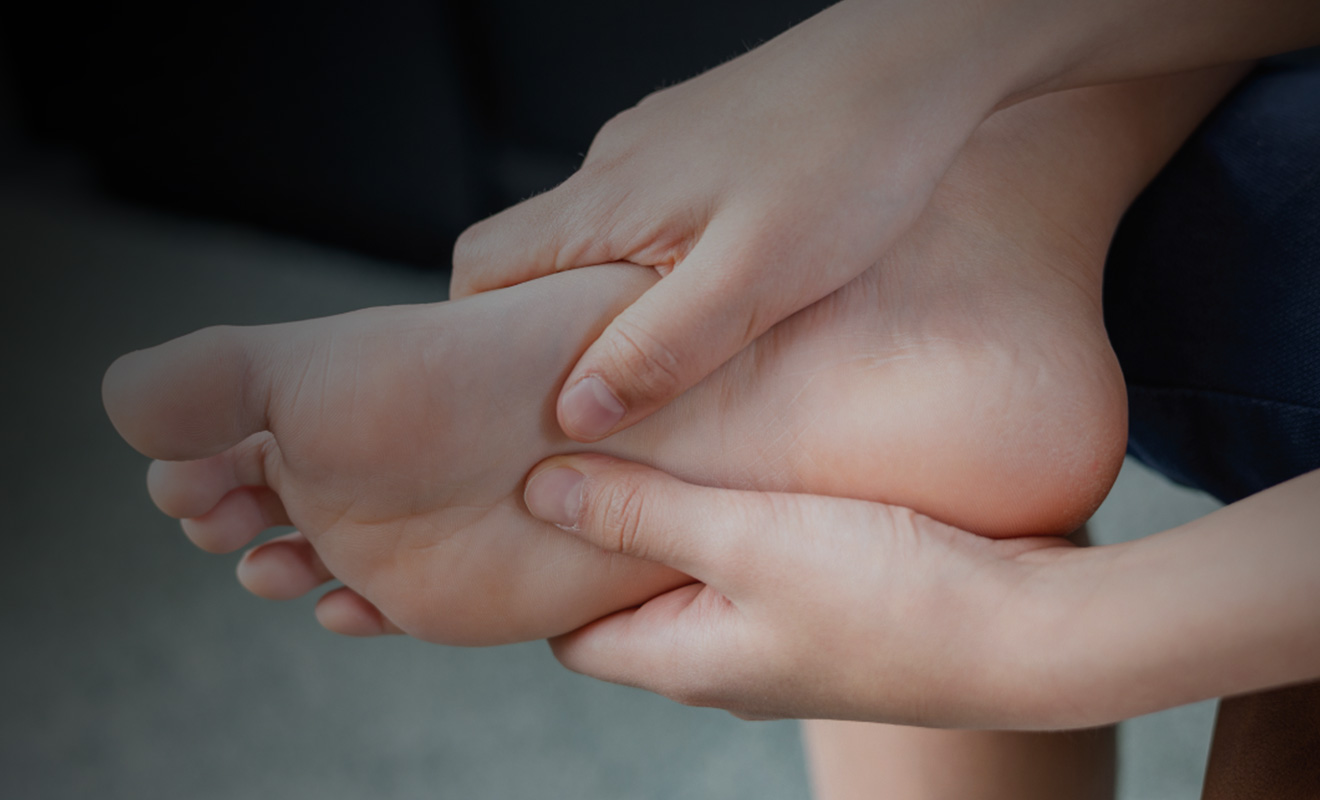
Heel pain is one of the most common foot complaints among adults, and heel pain prevention starts with understanding what causes it. Repeated pressure from walking on hard surfaces, prolonged standing, unsupportive footwear, and lack of proper cushioning are frequent contributors. Over time, this pressure can lead to inflammation in the tissue connecting the heel to the toes, resulting in stiffness and discomfort, particularly in the morning or after long periods of rest.
Preventing heel pain involves a combination of good habits and the right support. Choosing footwear with adequate heel cushioning, avoiding walking barefoot on hard tiled floors for extended periods, and gradually increasing activity levels rather than sudden intense walking or standing sessions can all help. Stretching the calf muscles and the sole of the foot gently in the morning also loosens tight tissue and reduces strain before daily activities begin.
For those who already experience occasional heel discomfort, using supportive insoles designed to distribute pressure more evenly across the foot can make a noticeable difference. Depending on individual needs, some people benefit from custom orthotics that are tailored to their foot structure and gait, while others may find high-quality supportive insoles suitable for everyday comfort. These support solutions help cushion the heel strike, improve arch support, and reduce repetitive stress on the foot, making everyday walking and standing more comfortable.
Plantar Health Tips for Everyday Comfort
The plantar area, or the sole of the foot, bears the brunt of daily movement. Plantar health tips generally focus on reducing unnecessary strain while supporting the foot’s natural structure.
Maintaining a healthy body weight reduces the overall load placed on the soles with every step. Choosing footwear with proper arch support prevents the plantar fascia, the band of tissue running along the bottom of the foot, from becoming overstretched or inflamed. Alternating between standing and sitting during long work hours, when possible, also gives the plantar area periodic relief from continuous pressure.
Stretching exercises that target the sole and calf area, done a few times a week, can improve flexibility and reduce tension buildup. Simple actions like rolling a small ball under the foot for a few minutes can also help ease tightness in the plantar tissue after a long day. Wearing arch support sandals around the house or during outdoor errands can also give the plantar area steady support instead of leaving it unsupported on flat or hard surfaces.
Choosing the Right Support for Your Feet
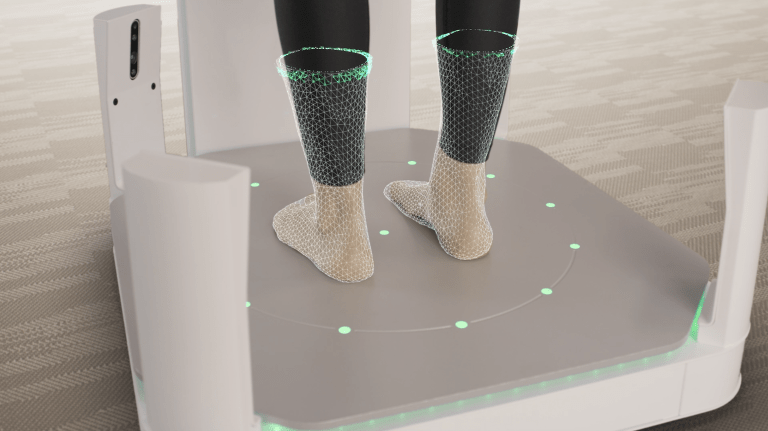
Foot wellness is not only about cleaning and stretching, it also involves choosing the right products that match individual needs. Beyond insoles and sandals, understanding what a foot actually needs often starts with a proper evaluation. An online assessment offers a simple starting point for understanding individual foot needs from home, while an in store assessment provides a more hands on evaluation at a nearby location.
For anyone with limited mobility or a busy schedule, van services bring foot care assessments directly to a convenient location without the need to travel. Those who prefer visiting in person can also find a nearby branch through the list of stores across the UAE. Exploring insoles, sandals, and mobile care options together as part of a complete foot wellness lifestyle offers a more balanced approach to long term foot health.
Bringing It All Together
Foot care is a small part of daily life that has a large impact on overall comfort and mobility. Through consistent hygiene, thoughtful footwear choices, attention to heel and plantar health, and access to the right support tools, maintaining healthy feet becomes a manageable part of everyday routine. Small daily habits, paired with the right support, build toward lasting foot wellness over time.
Frequently Asked Questions
1. How often should I wash my feet each day?
Washing feet once daily with mild soap and lukewarm water is generally enough to maintain good hygiene, though an extra rinse after outdoor activity in hot weather can help remove sweat and dust buildup.
2. What causes heel pain to get worse over time?
Heel pain often worsens due to continued pressure from unsupportive footwear, prolonged standing on hard surfaces, and skipping proper stretching, all of which increase strain on the tissue connecting the heel and sole.
3. Are insoles necessary for everyone?
Not everyone needs insoles, but people who stand or walk for long hours, or who experience recurring heel or arch discomfort, often find added support helpful in reducing daily strain on their feet.
4. How can I tell if my footwear is affecting my foot health?
Signs like recurring blisters, arch discomfort, uneven wear patterns on shoe soles, or ongoing heel pain can indicate that current footwear is not providing adequate support.
5. Is foot care different in hot climates like the UAE?
Yes, higher heat and humidity can increase sweat and moisture around the feet, making thorough drying, breathable footwear, and regular hygiene checks more important compared to cooler regions.