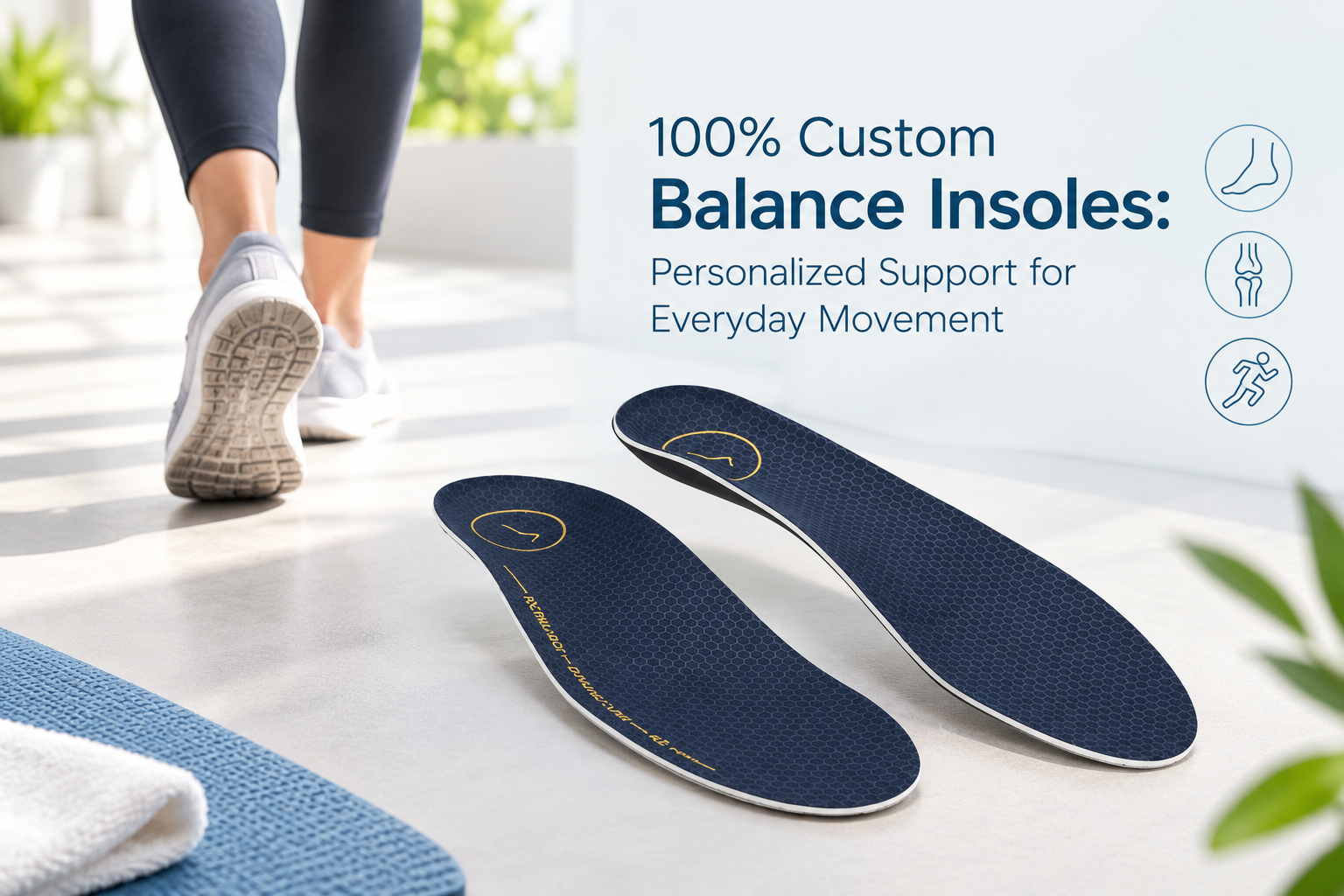
100% Custom Balance Insoles: Personalized Support for Everyday Movement
Most of us spend thousands of steps on our feet every day without thinking about them. When discomfort starts, it often shows up in the heels, arches, knees, or lower back, and the cause is not always obvious. Our 100% Custom Balance Insoles were created for people who want support that matches their own feet instead of a one-size-fits-all shape. In this guide, we explain what these insoles are, how they work, who they suit, and how to decide whether they belong in your daily routine.
What Are 100% Custom Balance Insoles?
The 100% Custom Balance Insoles are part of our FootBalance range. The idea behind the range is simple: every foot is different, so support should be personalized. Each pair is selected and configured around your foot shape, size, and the way you move, rather than a generic template.
The Balance option is designed for everyday wear. It suits people who want steady, comfortable support through long days at work, regular walking, errands, travel, and light activity. It is not built around one sport or one condition. It is built around general alignment and comfort for ordinary daily life.
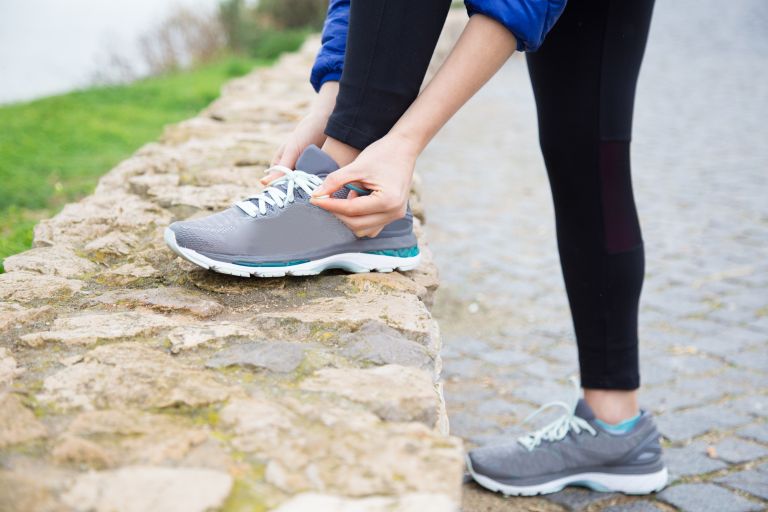
The insoles sit inside your regular shoes, replacing the factory insole. Their navy top cover and slim profile mean they fit into most closed footwear without changing how the shoe looks.
Why Personalized Support Matters
Your feet carry your full body weight and absorb impact with every step. Small differences in arch height, foot width, or the way your ankle rolls inward or outward can change how force travels through your legs and hips.
A standard insole usually offers the same arch shape to everyone. That can feel fine for some people, but it can feel too high, too flat, or too firm for others. Personalized insoles aim to reduce that mismatch by supporting the foot where it actually needs support.
Here is what personalized support is intended to do:
- Distribute pressure more evenly across the sole
- Support the arch without forcing it into an unnatural position
- Encourage a steadier foot position during walking and standing
- Reduce strain on the heel and forefoot during long days
- Keep the foot comfortable inside the shoe from morning to evening
How the Balance Insoles Support Your Movement
When you walk, your foot lands on the heel, rolls forward through the arch, and pushes off through the toes. If any part of that sequence is uneven, other joints compensate. The ankle, knee, hip, and lower back can all pick up extra load over time.
The Balance insoles are made to guide that movement more evenly. They provide structure under the arch and cushioning where the foot meets the ground, so each step feels more stable. The goal is not to change how you walk dramatically. The goal is to give your foot a more supportive base so your body does not have to work as hard to stay aligned.
Many people notice the difference most at the end of a long day, when tired feet usually begin to complain. Others notice it when they stand for extended periods, such as in retail, healthcare, teaching, or hospitality roles.
Who Can Benefit From Custom Insoles?
These insoles are suitable for a wide range of adults who want more comfort and support in their shoes. You may find them useful if you:
- Stand or walk for most of your working day
- Feel tired or achy in your feet by the evening
- Have flat or low arches that feel unsupported
- Notice that your shoes wear down unevenly
- Experience occasional discomfort in your knees or lower back after being on your feet
- Want a more supportive base in everyday shoes
If you are managing ongoing heel discomfort, our guide on plantar fasciitis explains the condition in more detail and how the right foot support can fit into a wider care plan. Insoles are one part of foot care, and they work best alongside suitable footwear, stretching, and rest when needed.
Common Foot Concerns That Support May Help
We often hear from people who are unsure whether their discomfort is related to their feet at all. These are some of the concerns where better foot support is commonly considered:
- Overpronation, where the foot rolls inward more than expected
- Arch fatigue after long periods of standing
- Heel discomfort during the first steps of the morning
- Forefoot pressure when walking on hard floors
- Knee or lower back tiredness linked to foot alignment
Insoles are not a treatment for medical conditions. If you have persistent pain, swelling, numbness, or a diagnosed condition such as diabetes, please speak with a doctor or podiatrist before making changes to your footwear or inserts.
How to Choose Your Insoles: A Simple Checklist
Choosing an insole should feel clear and unhurried. Here is the process we suggest:
- Think about where you spend most of your day. Standing, walking, driving, and desk work all place different demands on your feet.
- Note any areas of discomfort, such as the heel, arch, ball of the foot, or knees.
- Check your current shoes. Look for uneven wear on the soles, which can hint at how your foot moves.
- Measure your shoe size accurately and consider the shoes you plan to use the insoles in.
- Select your options on the product page, including the size that matches your footwear.
- Allow a short adjustment period once you receive them, and increase wearing time gradually.
Taking a few minutes with this checklist helps you pick an option that suits your daily routine rather than guessing.
At LifeBalance Foot Care, we believe good foot health starts with understanding your own feet. That is why we focus on practical guidance and clear options instead of complicated choices.
Getting Used to Your New Insoles
Even a well-matched insole needs a short break-in period. Your feet and muscles are used to a particular position, and a more supportive base can feel different at first. This is normal.
A gradual approach works well:
- Wear the insoles for one or two hours on the first day
- Add an hour or two each day over the first week
- Wear them with your most commonly used shoes first
- Pay attention to how your feet feel at the end of each day
If you feel mild awareness under the arch in the first few days, that usually settles as your feet adapt. If you notice sharp or lasting discomfort, remove the insoles and speak with a healthcare professional.
Fitting Them Into Your Shoes
Most closed shoes, including sneakers, work shoes, and casual lace-ups, can hold the Balance insoles. For the best fit, remove the original insole first. Place it on top of the new one and trim around the edge if you need to match the outline more closely, then insert the new insole so it sits flat against the base of the shoe.
Shoes with removable insoles and enough depth tend to work best. Very tight or very shallow shoes may not leave enough room for added support, so check that your heel does not slip and your toes have space to move.
Caring for Your Insoles
A little care helps keep your insoles comfortable and fresh:
- Remove them from your shoes at night so both can air out
- Wipe the surface gently with a damp cloth and mild soap
- Let them dry naturally, away from direct heat
- Avoid machine washing or soaking
- Rotate between pairs of shoes where possible to reduce moisture build-up
With sensible care and regular use, the insoles should stay supportive through everyday wear. If the cover looks worn or the support feels flat, it may be time to review your fit.
Pairing Insoles With Healthy Foot Habits
Insoles are most useful when they are part of a broader routine. A few simple habits can make a real difference to how your feet feel:
- Choose shoes with a stable heel and enough room in the toe box
- Replace worn-out footwear regularly
- Stretch your calves and the soles of your feet daily
- Take short breaks from standing when you can
- Keep your feet clean and dry to protect your skin
These small steps support the work your insoles are doing and help you stay comfortable for longer.
Visit Us or Ask Our Team
If you would like to talk through your options before choosing, we are happy to help. You can find a location near you through our store details, where our team can answer questions about sizing, footwear, and which option fits your routine. Taking the time to ask a question usually leads to a better fit and a better experience.
Frequently Asked Questions
1. What are 100% Custom Balance Insoles used for?
They are used to provide personalized support and cushioning inside everyday shoes. They suit people who want steadier alignment and more comfort during long periods of standing, walking, or general daily activity.
2. Can I use these insoles in all types of shoes?
They fit most closed shoes with removable insoles, such as sneakers, work shoes, and casual footwear. Very tight or shallow shoes may not have enough space, so it helps to check the depth and fit before inserting them.
3. How long does it take to get used to custom insoles?
Most people adjust within one to two weeks. We suggest wearing them for a short time on the first day and extending the time gradually while you pay attention to how your feet feel.
4. Can insoles replace medical treatment for foot pain?
No. Insoles support comfort and alignment, but they are not a substitute for medical care. If you have persistent pain, swelling, or a diagnosed condition, please consult a doctor or podiatrist for advice.
5. How do I clean and look after my insoles?
Take them out of your shoes regularly, wipe them with a damp cloth and mild soap, and let them air dry away from direct heat. Avoid machine washing, as it can affect the shape and structure of the insoles.