Best Insoles in Abu Dhabi for Comfort and Daily Pain Relief
At LifeBalance Foot Care, we hear the same concern from a lot of people in Abu Dhabi: that their feet feel tired, sore, or achy by the end of the day, even when they have not done anything unusual. In many cases, the issue is not the shoes themselves but what is missing inside them. A well-chosen insole can change how a shoe feels and how the whole foot is supported, which is why we have built our range of insoles around the different ways people actually use their feet, whether that is standing at work, walking long distances, or managing a specific foot condition.
Why the Right Insole Matters More Than People Expect
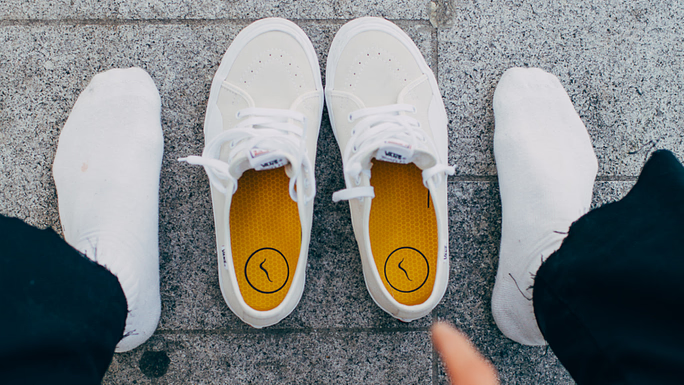
Most shoes come with a thin, flat insert that offers very little structure. It looks fine when the shoe is new, but it does not hold up to daily wear, and it rarely matches the actual shape of a person’s foot. Over time, this can lead to discomfort that shows up not just in the feet, but in the knees, hips, and lower back as well.
A proper insole is designed to do a few things that a standard shoe insert cannot.
- Support the arch in a way that matches its natural shape, rather than flattening under pressure
- Cushion the heel and forefoot to absorb impact during walking or standing
- Improve alignment through the foot, which can reduce strain further up the leg
- Hold their shape for longer, so the support does not wear down within a few weeks
For people dealing with ongoing discomfort, the right insole is often the simplest change that makes the biggest difference, before looking at anything more involved.
Common Foot Concerns We See in Abu Dhabi
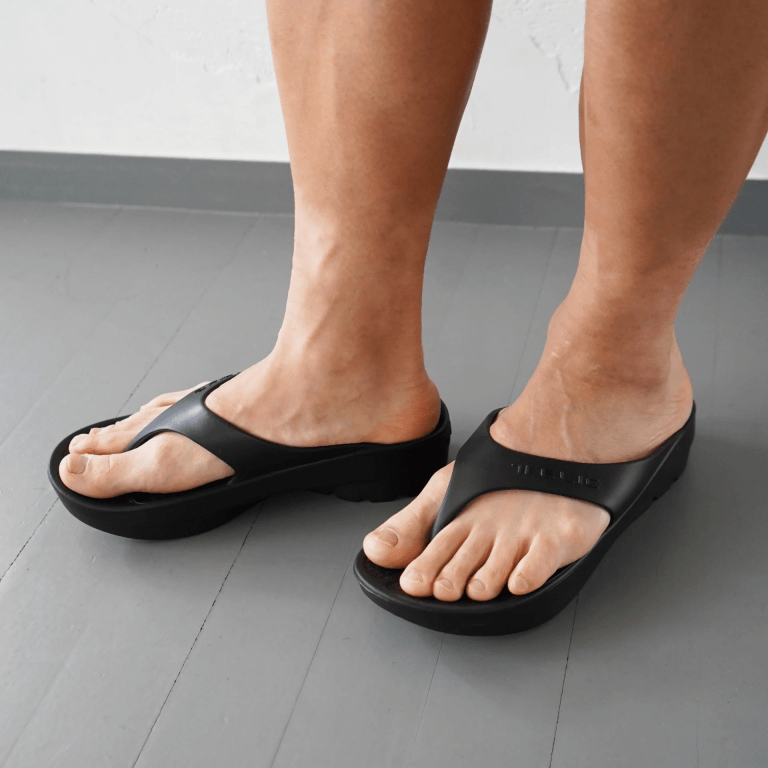
Abu Dhabi’s climate and lifestyle bring their own set of foot challenges. Warmer weather often means more time in sandals or lightweight shoes with little structure, and many residents spend long hours on their feet, whether at work, while traveling, or during daily errands. Over time, this combination can lead to a few recurring issues.
Plantar fasciitis is one of the most common concerns we address, usually showing up as a sharp pain in the heel, particularly with the first few steps in the morning. We put together detailed guidance on this condition, including how supportive insoles can help manage the discomfort, on our page dedicated to plantar fasciitis.
Heel pain more broadly is another frequent complaint, often linked to how much time someone spends standing on hard flooring. Overpronation, where the foot rolls inward more than it should while walking, is also common, particularly among active people or those on their feet for long stretches. Each of these conditions responds differently to insole design, which is why a proper fit matters more than picking whichever insert looks the most cushioned on the shelf.
How to Choose the Right Insole
Choosing an insole is not just about softness. The right choice depends on foot shape, the type of shoe it will go into, and what specific discomfort is being addressed. Here is a general approach we recommend when narrowing down the options.
- Identify where the discomfort is coming from, whether that is the heel, the arch, the ball of the foot, or a combination.
- Consider the type of shoe the insole needs to fit into, since athletic shoes, work shoes, and sandals all have different space and depth requirements.
- Think about how much time is spent standing versus walking, since the level of cushioning needed can differ between the two.
- Factor in any existing foot conditions, since certain insoles are built specifically for issues like plantar fasciitis or overpronation rather than general comfort.
- Try the insole with the actual footwear it is intended for, since fit can shift once it is placed inside a specific shoe.
Skipping straight to a purchase without going through these steps often means ending up with an insole that does not solve the actual problem.
Getting Properly Fitted in Abu Dhabi
While general guidance is useful, nothing replaces an in-person fitting when it comes to insoles. Foot shape, arch height, and gait vary enough from person to person that a fitting conversation usually reveals things that are easy to miss when shopping without guidance.
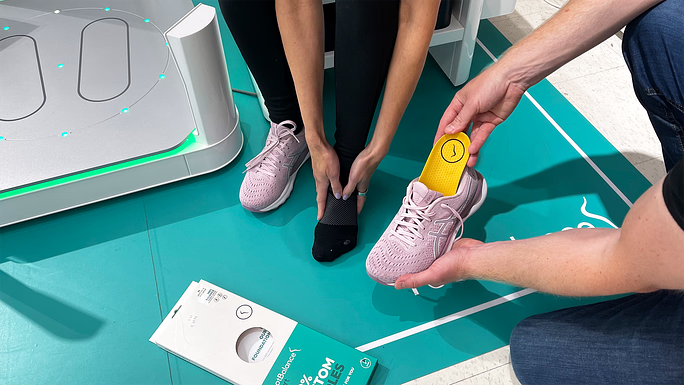
Our team is available to walk through this process directly, looking at how a foot moves, where pressure builds up, and which type of support responds best to that pattern. If you would like to speak with someone in person rather than choosing online, you can find a LifeBalance store near you to book a fitting.
What to Expect During a Fitting
A fitting session is usually straightforward and does not take long, but it does involve a few steps that make the recommendation more accurate.
- A brief conversation about any current discomfort, past injuries, or specific activities the insoles need to support
- An assessment of foot shape and arch type
- A look at the shoes the insoles will be used with, since fit can vary between styles
- Time to try different options and walk in them briefly before deciding
This kind of hands-on approach tends to lead to a better long-term result than guessing based on general descriptions online.
Insoles for Different Lifestyles
Not everyone needs the same type of support, and we typically group recommendations based on how someone spends their day.
For people who are on their feet for long shifts, whether in retail, hospitality, or healthcare, a firmer insole with strong arch support tends to hold up better over an eight- or ten-hour day than a softer cushioned option. For those who walk or run regularly, shock absorption in the heel and forefoot becomes more important, since repeated impact adds up over time. For anyone managing a diagnosed condition, such as heel spurs or diabetic foot concerns, a more specific insole designed around that condition is usually the better choice rather than a general comfort insert.
If you are unsure which category fits your situation, our team can help match the right type of support once we understand how your feet are being used day to day.
Caring for Your Insoles
Even a well-made insole needs some basic care to last as long as it should. A few habits go a long way.
Wipe insoles down periodically to remove sweat and debris, and let them air out rather than leaving them inside closed shoes overnight. Avoid direct heat when drying them, since high heat can warp the material and reduce how well they hold their shape. Rotate insoles between pairs of shoes if you wear more than one pair regularly, since this reduces wear on any single set. Replace insoles when the cushioning starts to feel flat or uneven, which usually happens gradually rather than all at once.
A Straightforward Path to More Comfortable Days
Foot discomfort tends to build up quietly, a little soreness here, a bit of fatigue there, until it becomes something that affects how someone moves through their day. Addressing it does not have to be complicated. In many cases, it starts with understanding what your feet actually need and getting matched with the right support.
We have spent time building our approach around real foot concerns rather than general trends, and you can read more about how we work on our About Us page. If you are ready to explore options suited to your feet, our full insole selection is available to browse, or you can visit us in person for a proper fitting.
Frequently Asked Questions
1. How do I know if I need custom insoles or a standard pair?
Standard insoles work well for general comfort and mild fatigue, while custom insoles are usually recommended for specific conditions or more significant foot shape differences. A fitting session can help determine which is right for your situation.
2. Can insoles help with heel pain from standing all day?
Yes, insoles with good heel cushioning and arch support are often effective at reducing the strain that builds up from long periods of standing, particularly on hard flooring.
3. How often should insoles be replaced?
Most insoles need replacing every six to twelve months, depending on how often they are worn and the type of activity involved. Flattened cushioning or uneven wear are usually the clearest signs.
4. Are insoles only useful for people with diagnosed foot conditions?
No, many people use insoles simply for added comfort and support during long days on their feet, even without a specific diagnosed condition.
5. Do I need to bring my own shoes to a fitting appointment?
It helps to bring the shoes you plan to use the insoles with most often, since fit can vary between shoe types, and having them on hand makes the fitting more accurate.