How Foot Pressure and Alignment Affect Your Entire Body
Foot Pressure plays a critical role in how the body moves, balances, and maintains stability throughout daily activities. Foot Pressure influences how weight is distributed across the feet, which directly impacts posture and overall alignment. Foot Pressure that is uneven or poorly distributed can lead to strain in different parts of the body. Foot Pressure patterns can reveal underlying issues related to movement and balance. Foot Pressure also affects how joints, muscles, and the spine function together as a system. Foot Pressure imbalances often go unnoticed but can gradually contribute to discomfort and pain. Foot Pressure ultimately serves as a foundation for proper body mechanics and long term physical wellbeing.
Individuals looking to better understand their posture and movement can explore resources like Foot Pressure and learn more about services offered by LifeBalance Foot Care.
What Is Foot Pressure
Foot pressure refers to how body weight is distributed across different areas of the feet when standing, walking, or running. Ideally, weight should be evenly balanced to support proper posture and reduce strain on joints.
However, many people experience uneven distribution due to lifestyle habits, footwear choices, or underlying conditions. This imbalance can affect how the body functions as a whole, leading to discomfort over time.
Understanding Foot Pressure Points
Foot pressure points are specific areas of the foot that bear more weight during movement. These points play a significant role in maintaining balance and supporting the body.
Key pressure areas include:
- Heel for initial contact and stability
- Midfoot for weight distribution
- Forefoot for propulsion during movement
When these points are not functioning properly, it can lead to inefficient movement patterns and increased stress on other parts of the body.
The Connection Between Feet and Body Alignment
The feet act as the foundation of the body. Any imbalance at this level can affect alignment throughout the entire structure.
Body alignment issues often begin at the feet and move upward, affecting the ankles, knees, hips, and spine. When the feet are not properly aligned, the body compensates in ways that can lead to discomfort and reduced mobility.
How Poor Foot Pressure Affects Posture
Posture is closely linked to how weight is distributed across the feet. Uneven foot pressure can cause shifts in posture that may not be immediately noticeable.
Common posture effects include:
- Forward leaning stance
- Uneven shoulder alignment
- Increased strain on the lower back
- Reduced stability during movement
Addressing foot pressure imbalances can help improve posture correction feet and overall body alignment.
Common Causes of Foot Pressure Imbalance
Several factors can contribute to uneven foot pressure. Identifying these causes is the first step in addressing the issue.
Common causes include:
- Improper footwear
- Flat feet or high arches
- Prolonged standing or sitting
- Previous injuries
- Lack of physical activity
Understanding these factors helps individuals take proactive steps to improve their foot health.
Impact on Joints and Muscles
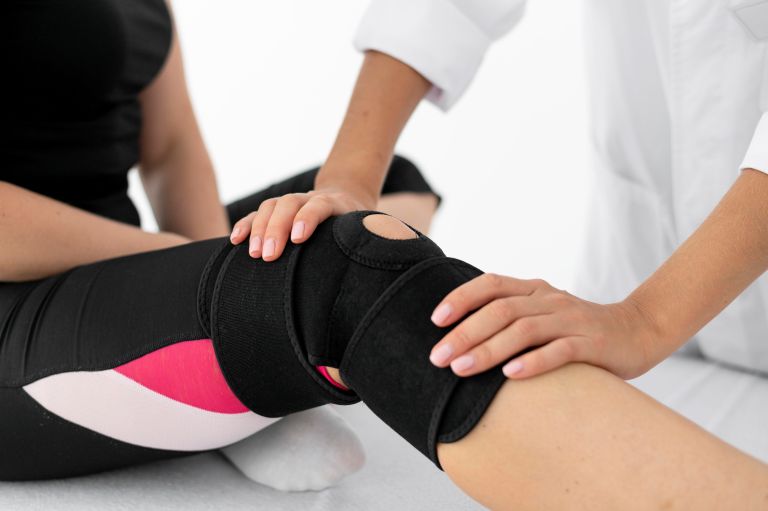
Foot pressure imbalances do not only affect the feet. They can place additional strain on joints and muscles throughout the body.
Areas commonly affected:
- Ankles may become unstable
- Knees may experience uneven stress
- Hips may shift to compensate
- Spine may develop alignment issues
Over time, these effects can lead to discomfort and reduced mobility if not addressed.
Role of Foot Scanning and Assessment
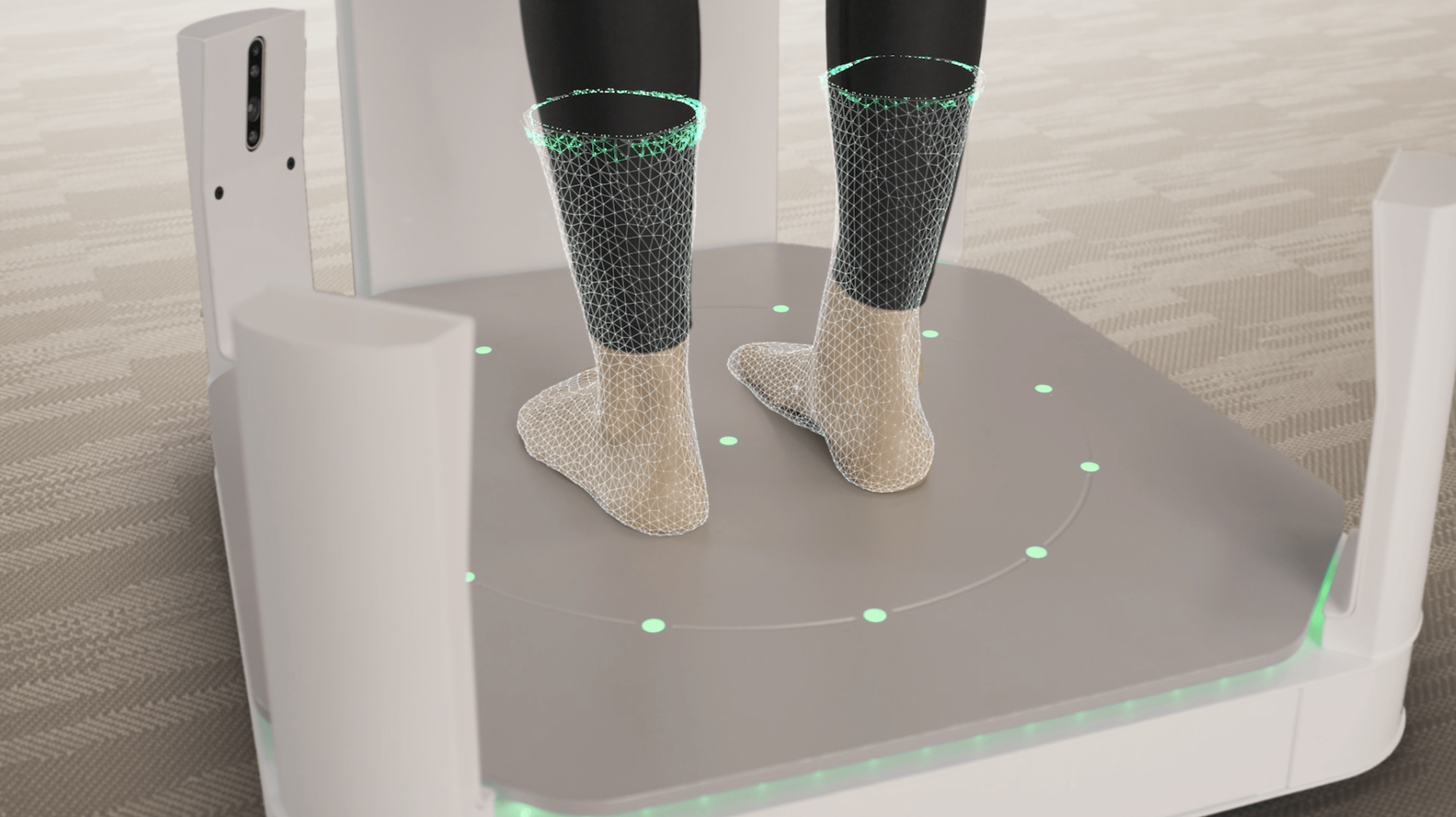
Modern assessment techniques allow professionals to analyse foot pressure patterns in detail. Foot scanning provides insights into how weight is distributed and identifies potential imbalances.
Benefits of assessment:
- Identifying pressure distribution issues
- Understanding movement patterns
- Creating personalised solutions
- Preventing future complications
Individuals can begin with services like online foot assessment to better understand their needs.
Addressing Foot Conditions
Many foot related issues contribute to pressure imbalance and alignment problems. Addressing these conditions is essential for improving overall health.
Common conditions include:
- Plantar fasciitis
- Flat feet
- High arches
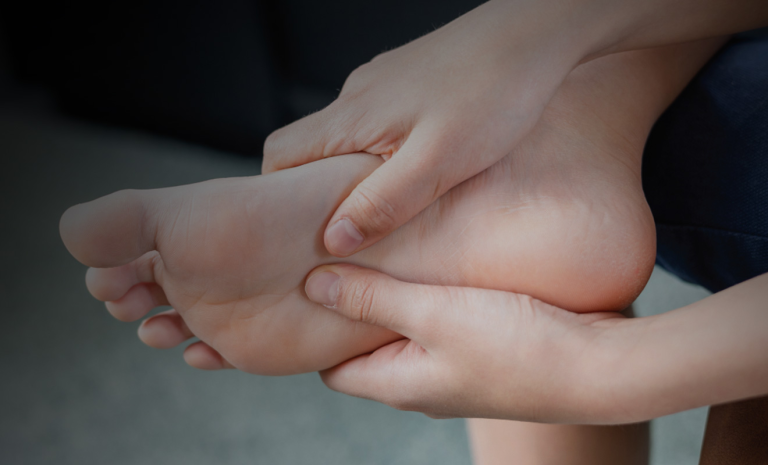
- Heel pain
Learning more about these conditions through resources like foot health information can help individuals take appropriate action.
Solutions for Improving Foot Pressure
Improving foot pressure involves a combination of lifestyle changes and professional support. Small adjustments can make a significant difference over time.
Practical solutions include:
- Wearing supportive footwear
- Using custom orthotics if needed
- Performing strengthening exercises
- Maintaining a healthy weight
- Practising proper posture
Consistency in these practices helps restore balance and improve movement.
Importance of Professional Guidance
While self care measures are helpful, professional guidance ensures accurate assessment and effective treatment. Specialists can identify underlying issues and recommend appropriate solutions.
Benefits of professional support:
- Personalised treatment plans
- Access to advanced assessment tools
- Ongoing monitoring of progress
- Expert advice on posture and movement
Visiting local centres through service locations can provide access to professional care.
Mobile and Van Services for Convenience
For individuals who prefer convenience, mobile services offer an alternative way to access care. These services bring assessments and treatments directly to the patient’s location.
Advantages include:
- Reduced need for travel
- Flexible scheduling
- Comfortable home environment
- Consistent follow up care
Exploring options like mobile van service support allows individuals to receive care without disrupting their routine.
Long Term Benefits of Proper Foot Alignment
Maintaining proper foot pressure and alignment provides long term benefits for overall health and wellbeing.
Key benefits include:
- Improved posture and balance
- Reduced risk of injury
- Enhanced mobility and comfort
- Better performance in daily activities
Focusing on foot health helps support the entire body and promotes long term stability.
Conclusion
Foot Pressure plays a fundamental role in determining how the body moves and maintains alignment. From posture to joint health, the effects of foot pressure extend throughout the entire body.
By understanding pressure patterns, addressing imbalances, and seeking appropriate support, individuals can improve their overall health and reduce discomfort. Taking proactive steps towards better foot alignment leads to improved movement, stability, and quality of life.
FAQs
1. What is foot pressure
Foot pressure refers to how body weight is distributed across different areas of the feet.
2. How does foot pressure affect posture
Uneven pressure can lead to poor posture and alignment issues throughout the body.
3. Can foot pressure cause pain in other areas
Yes, it can contribute to discomfort in the knees, hips, and lower back.
4. How can I check my foot pressure
You can use professional assessments or online tools to analyse pressure distribution.
5. What are the best ways to improve foot alignment
Wearing supportive footwear, exercising, and seeking professional guidance can help improve alignment.