ZAMST Sports Supports & Recovery Essentials
ZAMST sports supports have become an important part of how many people approach movement, injury prevention, and recovery. Designed to stabilize joints during physical activity while still allowing natural motion, they are commonly used by individuals involved in sports, fitness routines, and physically demanding activities. These supports focus on reducing strain through controlled compression and targeted stabilization, helping manage stress on muscles and joints during both training and recovery phases. By addressing performance and protection together, ZAMST supports are often integrated into routines where joint stability is a priority. Developed with attention to biomechanics and natural movement patterns, they provide structure without excessive restriction, helping users stay active while effectively managing physical load.
People looking to understand the full range of available designs often begin by reviewing ZAMST sports supports to explore different options and intended uses.
Understanding Sports Supports and Their Purpose
Sports supports are wearable devices designed to assist joints, muscles, or ligaments during movement. They help control excessive motion while allowing functional activity.
These supports are commonly used during training, competition, and recovery. They can reduce strain caused by repetitive movements or sudden impact. Sports supports are often selected based on activity type and the area requiring stabilization.
How ZAMST Sports Supports Are Designed
ZAMST designs focus on anatomical structure and movement efficiency. Supports are shaped to follow joint contours and movement paths.
Design considerations typically include flexibility, compression, and breathability. The goal is to provide stability without limiting performance. Materials are selected to maintain comfort during extended wear.
Common Areas Supported During Activity
Sports supports are available for various parts of the body. Each area requires a different balance of support and mobility.
Commonly supported areas include:
- Ankles for lateral stability and movement control
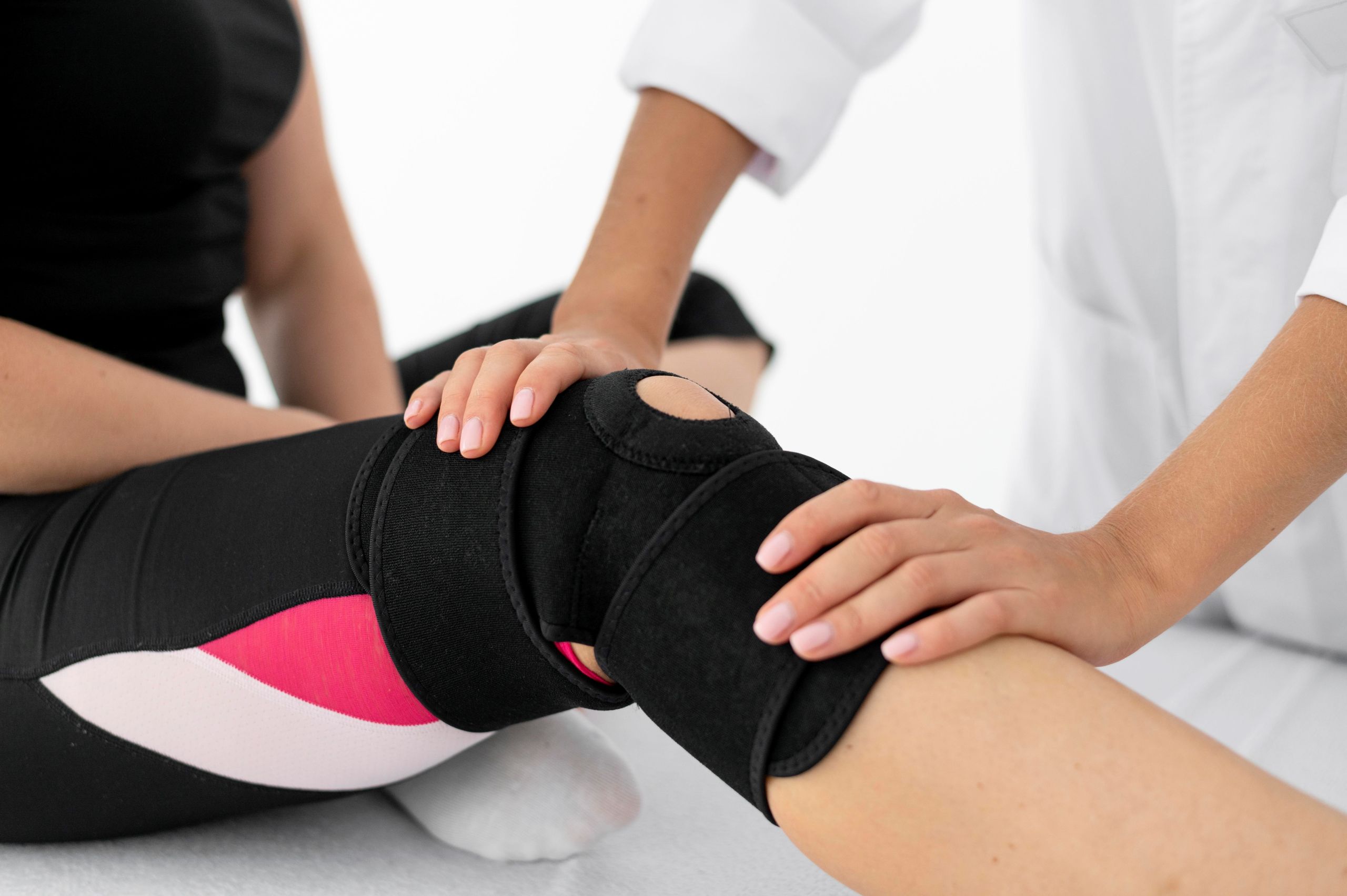
- Knees for joint alignment and load distribution
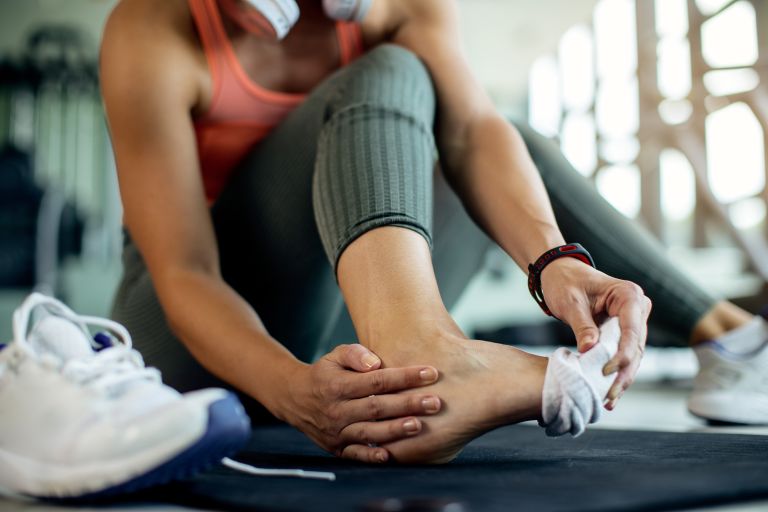
- Wrists and elbows for repetitive motion support
Targeted support helps reduce stress on vulnerable joints.
Stability Without Restriction
One challenge with sports supports is balancing stability and freedom of movement. Overly rigid designs can limit performance.
ZAMST supports aim to provide controlled restriction only where necessary. This allows natural motion while reducing excessive strain. This balance is important for maintaining performance levels during activity.
Role of Compression in Sports Supports
Compression plays a key role in how sports supports function. Even pressure around a joint can enhance awareness of movement.
Compression benefits include:
- Improved joint awareness during activity
- Reduced muscle vibration
- Enhanced sense of stability
These effects can contribute to better movement control.
Injury Prevention Through Proper Support
Many people use sports supports as a preventative measure. By stabilizing joints, supports may reduce the likelihood of sudden strain.
Preventative use is common in sports involving quick direction changes or impact. Supports help manage physical load during repetitive movements. Proper fit and placement are essential for effectiveness.
Supporting Recovery After Physical Activity
Recovery is an important phase of any training routine. Sports supports are sometimes used during recovery to reduce stress on healing tissues.
During recovery, supports can help manage swelling and maintain alignment. This allows individuals to remain mobile while limiting excessive strain. Recovery focused use differs from performance focused application.
Materials and Comfort Considerations
Comfort influences how consistently supports are worn. Breathable fabrics and lightweight construction help reduce irritation.
Materials are chosen to allow airflow and moisture management. Seam placement and elasticity affect long term wear comfort. Comfort supports consistent use during activity and recovery.
Choosing the Right Level of Support
Different activities require different support levels. Some situations require mild stabilization, while others need firmer control.
Factors influencing support selection include:
- Type of activity performed
- Frequency and intensity of movement
- Individual joint sensitivity or history
Matching support level to activity improves effectiveness.
Fit and Sizing Importance
Proper fit ensures that sports supports function as intended. Supports that are too loose may not provide adequate stabilization.
Supports that are too tight can restrict circulation or movement. Accurate sizing based on measurement guidelines supports comfort and performance. Fit affects both safety and usability.
Sports Supports for Daily Activity
While commonly associated with sports, supports are also used during daily physical tasks. Activities such as walking, lifting, or standing for long periods may benefit from added stability.
Daily use focuses on comfort and light support. This helps manage strain during routine movement without causing fatigue.
Long Term Use and Wear Considerations
Sports supports are designed for repeated use. Durability depends on materials, construction, and care.
Regular inspection helps identify wear that could reduce effectiveness. Proper washing and storage maintain elasticity and structure. Long term performance supports consistent use.
Integrating Supports Into Training Routines
Supports should complement training rather than replace proper conditioning. Strength and flexibility remain important.
Integrating supports involves understanding when and how to wear them. They are often used during high load activities rather than all movements. Strategic use supports balanced training.
Comparing Sports Supports to Taping
Sports taping and supports serve similar purposes but differ in application. Taping requires skill and frequent reapplication.
Supports offer reusable and adjustable options. They provide consistent support without daily setup. Choice depends on preference and activity requirements.
Learning More About Recovery Essentials
Recovery essentials extend beyond supports. Rest, hydration, and proper movement patterns contribute to recovery.
Understanding recovery tools helps individuals manage physical stress. Education supports better decision making around activity and rest cycles.
Exploring Broader Support Options
People interested in sports supports often explore additional recovery and mobility tools. These may include compression garments or therapeutic accessories.
A wider view of available options can be found through sports and recovery products to better understand how different tools fit into active routines.
Accessibility and In Person Evaluation
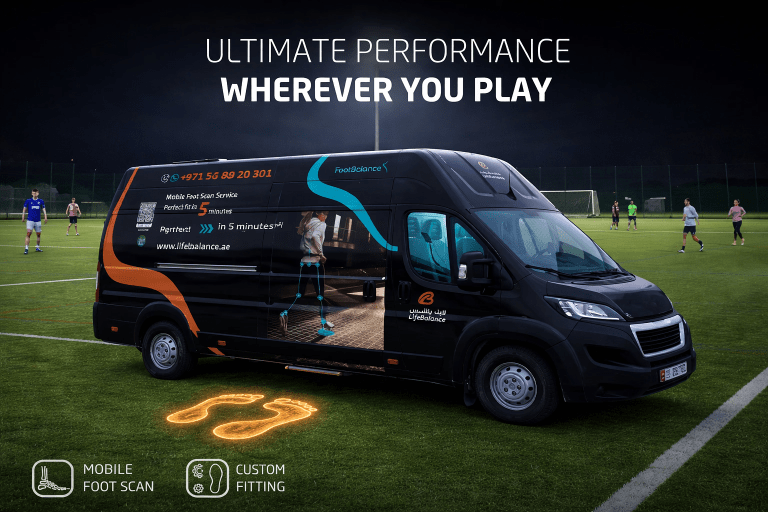
Trying sports supports in person allows individuals to assess fit and comfort. This can be especially useful for first time users.
Physical locations offer guidance on sizing and application. Access to stores supports informed selection and confidence.
Conclusion: Understanding ZAMST Sports Supports and Recovery Use
ZAMST Sports Supports are designed to assist stability, movement control, and recovery across a range of activities. By focusing on anatomical design, compression, and comfort, these supports aim to balance protection and performance.
Understanding how and when to use sports supports helps individuals remain active while managing physical demands. For those who prefer in person evaluation, visiting local support and footwear stores can help ensure proper fit and suitability.
Frequently Asked Questions
1. What are ZAMST sports supports used for
They are used to provide joint stability, movement control, and recovery assistance during activity.
2. Can sports supports be worn during recovery
Yes, they are often used during recovery to help manage stress on joints and muscles.
3. Do sports supports restrict movement
They are designed to limit excessive motion while allowing natural movement.
4. How do I choose the right size
Sizing should be based on measurements and fit guidelines to ensure proper support.
5. Can supports replace strength training
No, supports complement training but do not replace conditioning or rehabilitation exercises.