Overpronation Treatment Explained: How to Correct It with the Right Insoles
Overpronation Treatment is often discussed when people experience persistent foot discomfort, knee strain, or uneven shoe wear. Overpronation Treatment focuses on correcting how the foot rolls inward during walking or running. Overpronation Treatment becomes especially relevant for individuals with flat feet or recurring joint pain. Overpronation Treatment is not a single solution but a process that begins with understanding foot mechanics.
Overpronation Treatment helps reduce stress on the ankles, knees, and hips by improving alignment. Learning about Overpronation Treatment allows people to make informed decisions about foot support and long term comfort.
Overpronation occurs when the foot rolls excessively inward after heel strike. This movement affects how weight travels through the body. Educational resources about foot mechanics and alignment, such as overpronation foot condition information, help explain why addressing pronation patterns matters for overall movement health.
What Is Overpronation
Overpronation refers to excessive inward rolling of the foot during gait. While some pronation is normal and helps absorb impact, too much can strain muscles and joints.
People with flat feet are more likely to experience overpronation, but it can also occur due to muscle imbalance or footwear choices. Overpronation Treatment begins with recognizing how foot movement affects posture and stability.
Common Signs and Symptoms
Overpronation may not always cause immediate pain, but it often presents subtle signs over time.
Common indicators include:
- Flattened arches when standing
- Shoes wearing down on the inner edge
- Knee or lower leg discomfort
- Foot fatigue after short periods of walking
Overpronation Treatment considers these signs together rather than focusing on a single symptom.
Overpronation and Knee Pain
The alignment of the foot influences the position of the knee. When the foot rolls inward excessively, the knee may rotate inward as well.
This chain reaction can lead to:
- Increased stress on knee joints
- Altered walking patterns
- Discomfort during prolonged activity
Overpronation Treatment aims to improve alignment from the ground up, reducing unnecessary strain on the knees.
Pronation Versus Supination
Understanding the difference between pronation and supination helps clarify why treatment approaches differ.
Pronation involves inward rolling of the foot, while supination refers to outward rolling. Overpronation Treatment focuses specifically on limiting excessive inward motion rather than eliminating pronation altogether.
Correct identification is important because insoles designed for overpronation may not suit those who supinate.
Why Insoles Are Used in Overpronation Treatment
Insoles are commonly used to influence foot movement by supporting the arch and guiding alignment. They help redistribute pressure and encourage a more neutral gait.
In Overpronation Treatment, insoles may:
- Support collapsed arches
- Improve weight distribution
- Reduce strain on soft tissues
The goal is not rigid correction but controlled support that works with natural movement.
The Importance of Foot Assessment
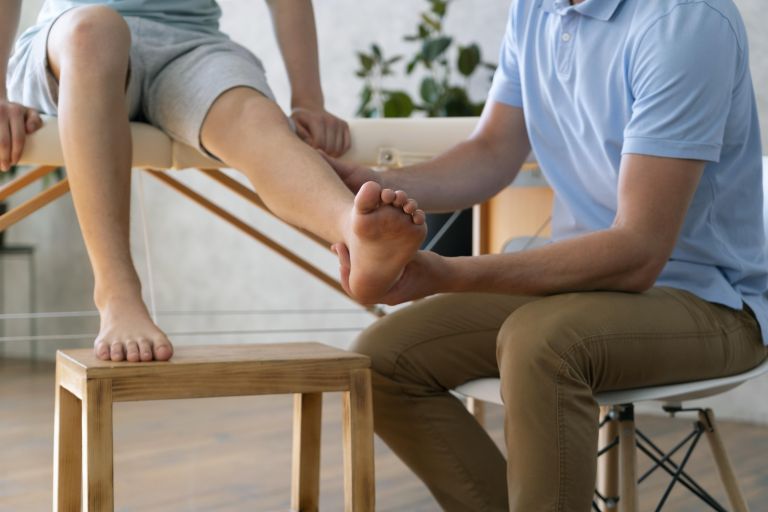
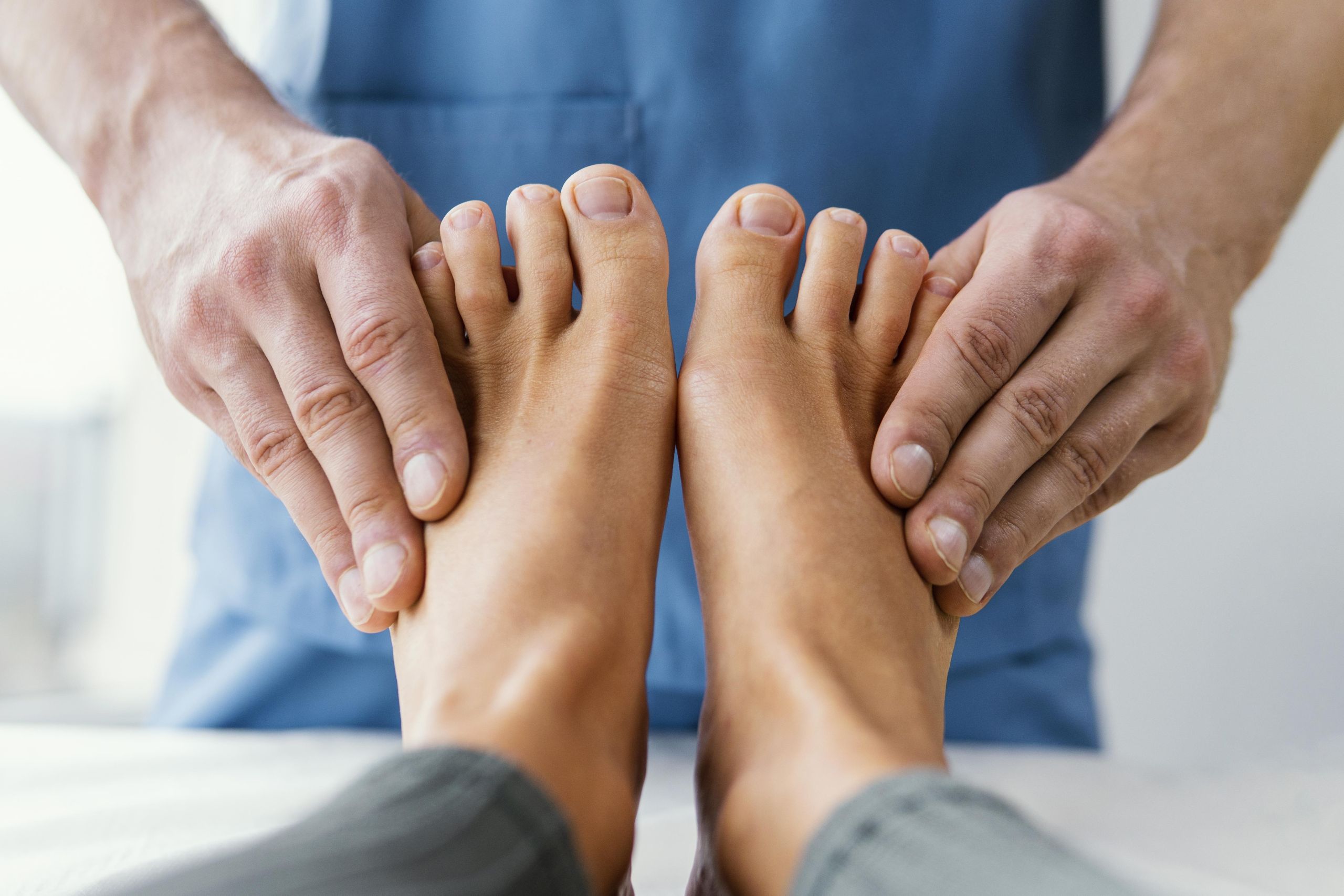
Not all overpronation patterns are the same. A proper assessment helps determine severity and contributing factors.
A foot assessment may include:
- Visual posture evaluation
- Gait observation
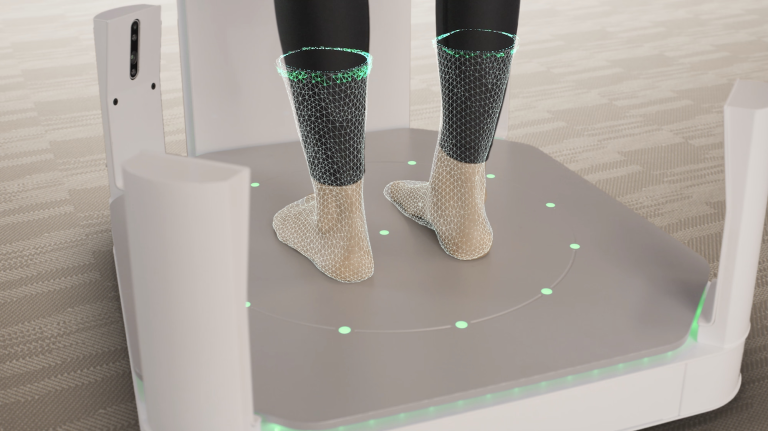
- Pressure analysis
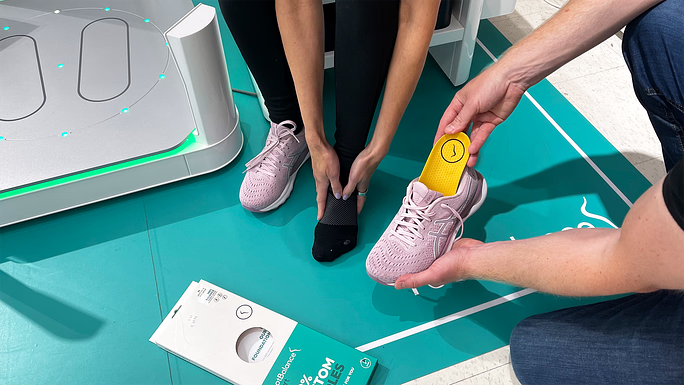
An in-person evaluation allows practitioners to observe movement patterns directly. More details about assessment methods are available through in store foot assessment information.
Overpronation Treatment is most effective when based on individual assessment rather than assumptions.
How Insoles Support Flat Feet Correction
Flat feet often lack adequate arch support, making overpronation more likely. Insoles can provide structure where natural support is limited.
For people with flat feet, Overpronation Treatment using insoles may help:
- Improve foot stability
- Reduce fatigue during standing or walking
- Support better alignment through the legs
Insoles do not change foot structure permanently but help manage how forces move through the foot.
When to Consider Professional Guidance
Some individuals attempt self correction through footwear changes alone. While this may help in mild cases, persistent symptoms may require further evaluation.
Professional guidance may be helpful if:
- Pain continues despite footwear changes
- Knee or hip discomfort develops
- Walking feels unstable or uneven
Access to physical assessment locations can support timely evaluation. Information about nearby assessment locations can be found through store locations and access points.
Long Term Management of Overpronation
Overpronation Treatment is often an ongoing process. Foot mechanics can change with age, activity level, or injury.
Long term management may include:
- Periodic reassessment
- Adjusting insoles as wear occurs
- Monitoring comfort during daily activity
Awareness and early response help prevent minor issues from becoming chronic conditions.
Frequently Asked Questions
1. What causes overpronation
Overpronation can be caused by flat feet, muscle imbalance, joint flexibility, or unsupportive footwear.
2. Can overpronation lead to knee pain
Yes. Excessive inward foot movement can affect knee alignment and increase joint stress.
3. Do insoles fix overpronation permanently
Insoles help manage movement and support alignment but do not permanently change foot structure.
4. Is overpronation the same as flat feet
Flat feet often contribute to overpronation, but not all flat feet result in excessive pronation.
5. How do I know if I overpronate or supinate
Gait observation and foot assessment are the most reliable ways to determine pronation type.